Contractor Website Design That Helps Roofers, Plumbers, and HVAC Companies Get More Calls
A contractor’s website does not need to win design awards. It needs to answer a much simpler question, fast: can this company help me, in my area, and how do I contact them right now?
That is the heart of effective contractor website design. Whether you handle emergency plumbing, residential reroofs, AC replacement, or electrical troubleshooting, the website has one job above all others: turn local visitors into real conversations. Calls, messages, quote requests, and booked appointments matter more than clever animations or oversized hero videos.
That may sound obvious, but plenty of websites for contractors still get this wrong. They hide the phone number, bury service details, load slowly on mobile, and force visitors through too many steps just to ask for help. For a homeowner with a leaking water heater or a failed condenser in July, that friction is enough to send them to the next business.
Good website design for contractors respects urgency. It makes the path from search to contact feel easy. It supports local visibility. It reinforces trust with real proof, not fluff. And it works just as well on a phone in a driveway as it does on a desktop in an office.
Why home service websites are different from other business sites
A home service website design project should never be treated like a generic small business site. The customer behavior is different.
People looking for a roofer, plumber, HVAC company, or electrician are often under some pressure. Sometimes it is a true emergency. Other times it is a high-cost decision they have been putting off until a leak, outage, or equipment failure forces the issue. Either way, they are rarely browsing for fun.
That changes what matters on the page. Visitors want to know what you do, where you work, whether you seem legitimate, and how quickly they can reach you. Google’s own guidance reinforces this practical approach. Key information should be easy to find, pages should work well on mobile, and contact actions should take as few steps as possible. Heavy pop-ups and slow-loading pages get in the way.
For home service companies, especially, speed and clarity are not cosmetic issues. They are lead generation issues.
The design choices that actually help contractors get more calls
A lot of business owners think “design” means colors, fonts, and a fresh logo treatment. Those details matter, but they are not what usually moves the needle.
What drives calls is structure.
If I am evaluating contractor web design company work, I look first at whether the site immediately answers the practical questions a local prospect is already asking in their head. The strongest contractor website design tends to surface those answers early, without making the visitor dig.
A website that helps roofers, plumbers, and HVAC companies get more calls usually gets these basics right:
- the phone number is easy to spot, especially on mobile
- the main services are clear near the top of the page
- the service area is stated plainly
- the contact path is short, with click-to-call and a simple form
- the site loads quickly and avoids unnecessary friction
None of that is glamorous. All of it matters.
A good roofing website design, for example, should not make someone hunt through vague marketing copy to figure out whether the company handles roof repair, replacement, or storm-related work. A plumbing website design should not ask ten form questions before a homeowner can request service. An HVAC website design should not bury emergency contact options behind three menu clicks. An electrician website design should not make the visitor guess whether the company serves their neighborhood.
The best home service websites feel straightforward because they are built around customer intent, not around the owner’s internal view of the business.
Above the fold matters more than most contractors realize
The top section of a page still does a disproportionate amount of work.
When someone lands on your site from local search, a Google Business Profile, or a Local Services listing, they make a quick judgment. If the first screen is cluttered, generic, or confusing, trust drops. If it is clear and useful, they stay.
For a contractor, that first screen should usually do three things well. It should identify the service, suggest the service area, and present a clear next step. That next step might be a call button, a short quote request form, or a message option. What matters is that the visitor does not need to think too hard.
This is one of the simplest ways lead generation websites for contractors outperform brochure-style sites. They remove hesitation. They do not rely on a visitor scrolling halfway down the page to find the phone number or guessing whether “contact us” means a response next week.
There is a practical side to this too. A large share of contractor traffic comes from phones. Google emphasizes responsive design and mobile usability because so many searches happen there. If your most important information is not visible and usable on a mobile screen, the site is underperforming before the visitor reads a word of your sales copy.

Mobile is not a feature, it is the main environment
Contractors often review their own website on a laptop and assume the experience is fine. Their customers are usually having a different experience.
Someone searching for an HVAC repair company might be standing in a hot house with 7 percent battery left. Someone looking for a plumber may be dealing with an active leak. Someone checking roofing contractors after a storm may be on a phone, comparing several companies quickly. In those moments, patience is thin.
This is why Google’s mobile guidance is so relevant to contractor website design. Slow pages lose visitors. Actions should take as few steps as possible. Mobile-first indexing also means technical issues on mobile pages can affect visibility.
For contractors, that translates into very practical decisions. The mobile site should load fast. Tap targets should be easy to use. The phone button should work without friction. Forms should be short enough that a real person will actually complete them on a small screen.
A lot of websites for contractors look acceptable on mobile but still fail where it counts. They may have responsive layouts but oversized images, clumsy menus, or long forms that feel like a chore. Responsive design is the baseline, not the finish line.
Local trust starts before the visitor reaches your site
Your website does not operate alone. It is part of a local search ecosystem.
Google Business Profile is one of the most important pieces of that picture for service-area businesses. Contractors can define a service area, choose the right category, and connect the website to the profile. Those basics help local prospects understand relevance quickly and can support visibility in local search.
The same goes for Local Services Ads, where Google emphasizes service details, service area, hours, reviews, and communication features like messaging or booking. For contractors who cannot answer every call immediately, messaging can help capture opportunities that would otherwise be lost.
That connection matters because the website should reinforce what people see elsewhere. If the profile says you serve certain areas, the website should make those areas easy to confirm. If your listing highlights specific services, the site should expand on them clearly. If reviews are helping generate trust in search results, that trust should continue once the visitor clicks through.
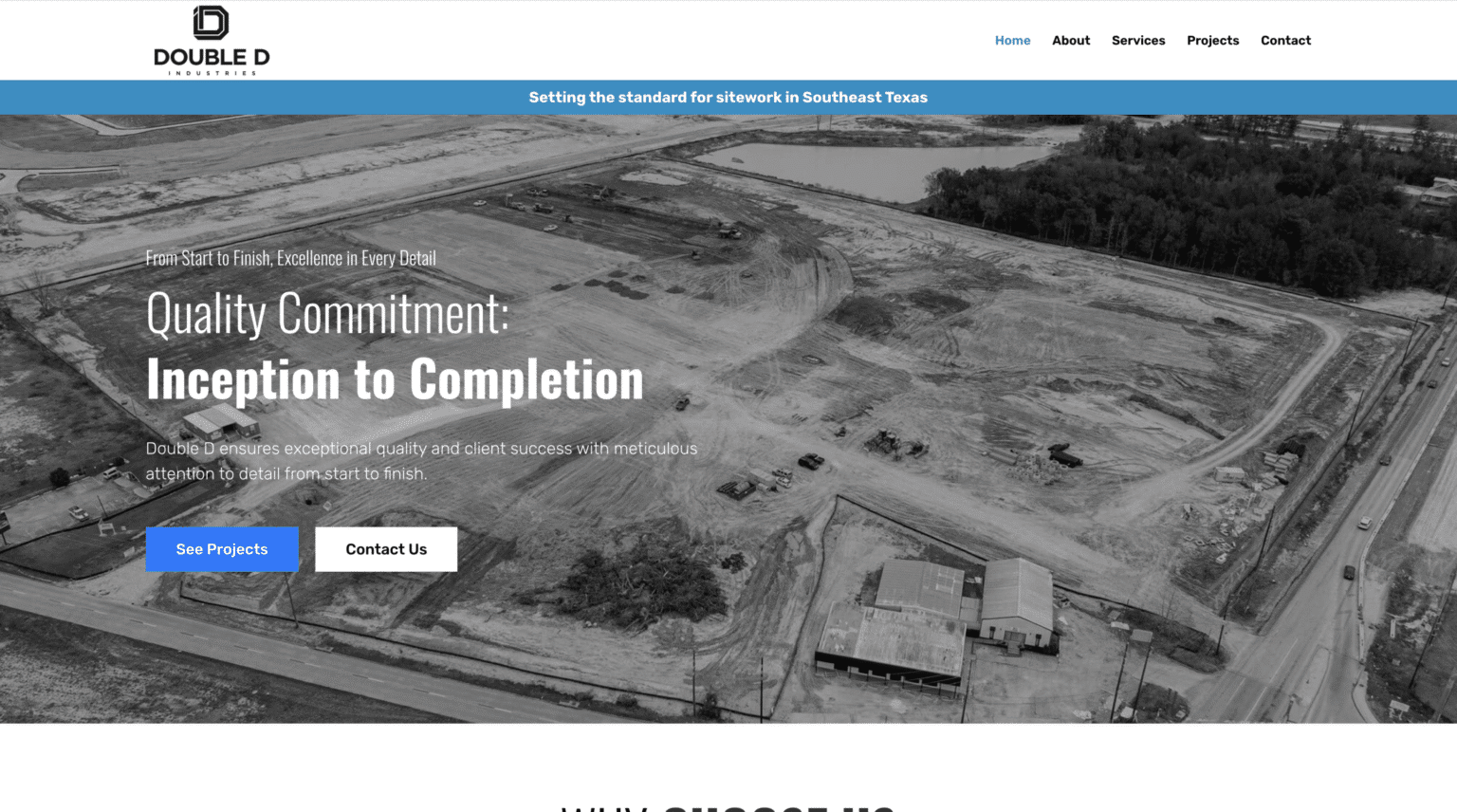
This is where local SEO for contractors stops being an abstract marketing term and starts becoming a user experience issue. Relevance, clarity, and consistency do not just help search visibility. They help conversion.
Service pages are often where the real lead generation happens
Most contractors have a homepage, an about page, and a contact page. Those are useful, but the high-performing pages are often the service pages.
A visitor looking for “AC repair,” “water heater replacement,” or “roof leak repair” wants a page that speaks directly to that need. Not because search engines are magical, but because customers are practical. They want confirmation that they are in the right place.
A strong HVAC website design usually gives each major service room to breathe. The same is true for plumbing website design, roofing website design, and electrician website design. When every service is mashed into one vague page, the site does less to reassure visitors and less to support local the Scalable Websites team search relevance.
This does not mean every company needs dozens of thin pages. In fact, that can make a site worse. It means the site architecture should reflect the actual services the company wants calls for.
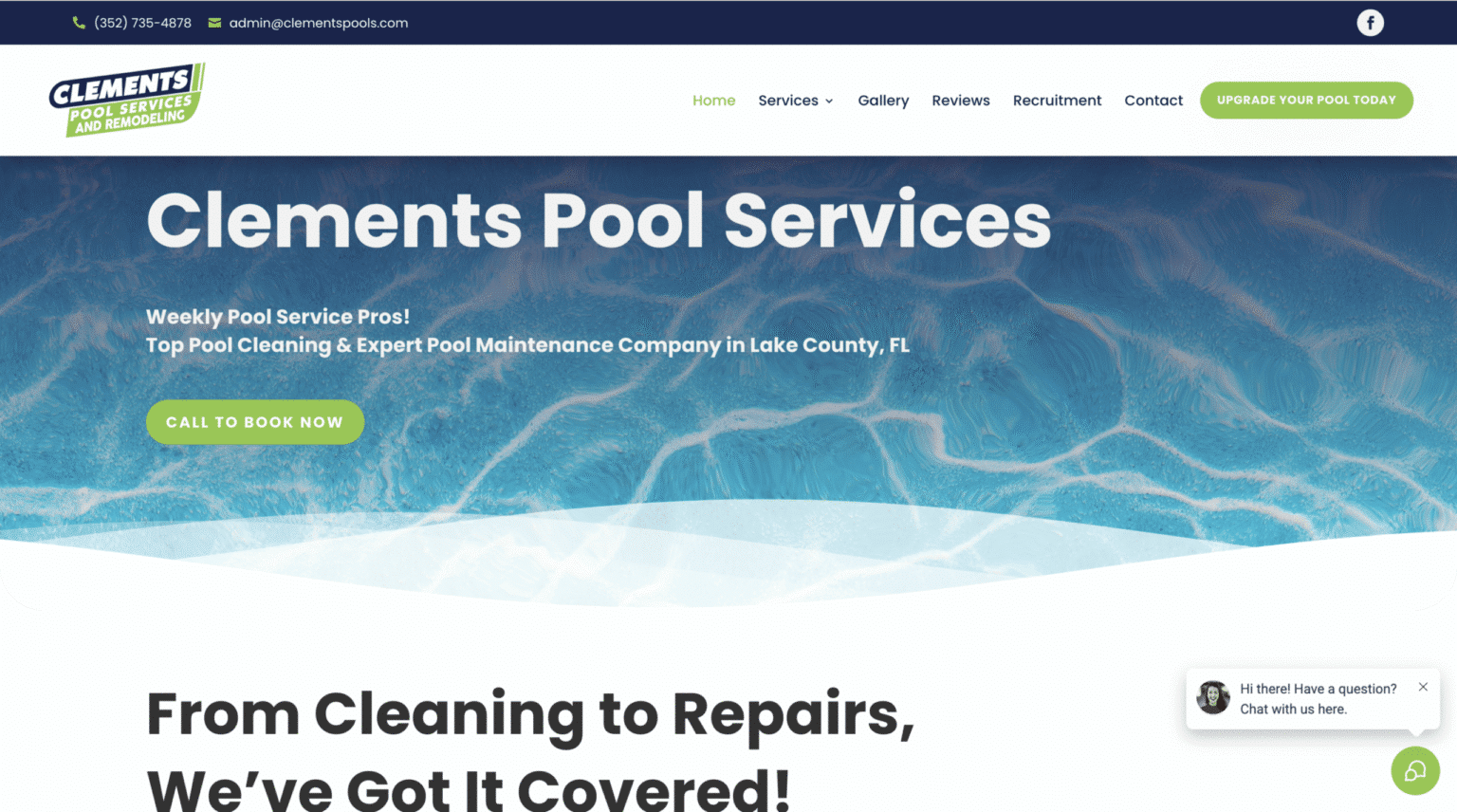
If a plumbing company wants more sewer line calls, that service should not be buried in a paragraph under “our services.” If an HVAC company is serious about system replacement leads, that offering should have a dedicated page that makes the next step obvious. If a roofing contractor wants to be considered for both repair and replacement work, the website should not force those audiences into the same muddled message.
Real photos do more work than stock images ever will
Google’s guidance around Local Services Ads supports something experienced contractors already know: real photos help. Quality images are reviewed before they are published there, and for good reason. Photos are trust signals.
The same principle applies on your site.
For home service website design, project photos are often more persuasive than polished generic graphics. A real team photo, a truck in front of a home, a finished installation, or a before-and-after roofing image tells a visitor that the business is active and tangible. It reduces the sense that they are dealing with a faceless lead aggregator.
This matters even more in trades where homeowners worry about who is coming to their home. Visual proof creates comfort. It also separates a legitimate local operator from a flimsy site built from stock assets and empty promises.
That does not mean every page needs a gallery explosion. Too many images can slow mobile performance if they are handled poorly. It means the images you do use should support trust and relevance.
Reviews should not live only on third-party platforms
Reviews influence the decision long before a prospect fills out a form. Google encourages businesses to read and reply to reviews, and that engagement matters for reputation. But there is also a website design angle here.
When people click through from search, many are still deciding whether your company feels safe to contact. Showing reviews on-site can reinforce what they may already have seen on your business profile or in local search. It creates continuity. The prospect does not need to bounce back out to verify whether other customers had a good experience.
This is especially useful for higher-consideration jobs. A homeowner may place a quick call for an urgent drain issue, but a roof replacement or HVAC system installation usually involves more scrutiny. In those cases, trust signals need to be present throughout the site, not confined to a review platform the visitor may or may not check.
The key is to present reviews in a way that supports the page instead of overwhelming it. A handful of relevant, believable testimonials in the right places usually does more good than a giant wall of praise with no context.
Simple messaging options can catch leads after hours
Many contractor websites still assume every good lead comes in during business hours by phone. That is not how people behave.
Google’s communication tools documentation highlights business messaging as a mobile-friendly way for customers to start conversations. Local Services Ads also point toward messaging or booking as a way to increase the chance of receiving leads when calls are missed.
For contractors, this is practical. Crews are in the field. Office staff may be limited. Calls go unanswered. A messaging option can give people a second path when they do not want to wait, or when they cannot get someone live.
There is an important trade-off, though. Messaging should reduce friction, not create it. If it becomes intrusive, confusing, or slow, it hurts more than it helps. The same goes for pop-ups in general. Google warns against heavy interruptions, and visitors dislike them anyway. A clean message option that feels available is different from a site that attacks the screen the second it loads.
What contractor website cost really means
Contractor website cost is one of those questions that sounds simple until you get into the details.
The cost is not just the design fee. It is also the structure, hosting, maintenance, mobile performance, content updates, and whether someone is actually responsible for keeping the site current. A cheap website that no one updates and that loads poorly on phones can be expensive in lost opportunities. A more structured service may cost more each month but include ongoing updates, hosting, and support.
There are companies that package those items together. One public example is Scalable Websites, a Houston company that describes its offering as monthly website subscriptions for home service contractors, including hosting, security, unlimited updates, and a dedicated project manager. That kind of model can suit some contractors well, particularly owners who do not want to coordinate designers, developers, and maintenance separately. For other businesses, a custom build with a different support structure may make more sense.
The right choice depends less on the sticker price and more on whether the arrangement fits the business. A one-truck operation may need simplicity and predictability. A multi-service company with active campaigns may need tighter integration between the website, local SEO for contractors, and lead handling.
The mistake is focusing only on launch cost while ignoring what happens six months later. Most contractor websites fail gradually, not dramatically. A phone number changes, service areas expand, new photos never get added, mobile issues pile up, and the site slowly gets less useful.
The common mistakes that quietly kill conversion
Some website problems are dramatic. More often, the damage comes from small choices that stack up.
Here are five issues I see come up again and again in website design for contractors:
- vague headlines that never clearly say what the company does
- contact options that are hard to find or take too many steps
- mobile pages that load slowly or feel awkward to use
- generic stock visuals that weaken trust
- service and service-area information that is incomplete or inconsistent
None of these are unusual. That is what makes them expensive. They are easy to overlook because the site still “looks fine.” Yet each one gives a visitor a reason to leave.
A roofer may lose a storm-related lead because the service area is unclear. A plumber may miss after-hours jobs because there is no message option. An HVAC company may waste paid traffic because the landing page is too generic to match the customer’s intent. An electrician may lose trust because the site feels templated and thin.
These are not edge cases. They are everyday conversion leaks.
Different trades need slightly different emphasis
The broad rules of contractor website design are consistent, but the emphasis shifts by trade.
Roofing website design often benefits from stronger visual proof because homeowners want to see completed work and feel confidence in the company’s legitimacy. The timing can also be unusual. Storm-driven demand creates urgent, comparison-heavy shopping behavior, so trust and clarity have to show up fast.
Plumbing website design usually leans harder into urgency. Visitors often care less about your origin story and more about whether you handle the exact issue they have and how quickly they can make contact. A short path to help matters a lot here.
HVAC website design often has to serve both urgent repair intent and slower replacement research. That is a balancing act. The site should support emergency contact behavior while also helping bigger-ticket shoppers evaluate the business over a longer decision window.
Electrician website design can span a wide range, from small troubleshooting calls to larger residential projects. Clear service descriptions matter because customers may not know the proper terminology for what they need. The website has to bridge that gap without becoming wordy or vague.
What a contractor should ask before hiring a web design company
If you are evaluating a contractor web design company, the smartest questions are not about artistic taste. They are about outcomes, process, and maintenance.
Ask how the site will perform on mobile. Ask how key contact actions will be placed. Ask how service pages and service areas will be handled. Ask what support exists after launch. Ask who updates the site when your offerings change.
Those questions reveal whether the provider understands home service website design as a lead-generation tool or just as a branding exercise.
A contractor does not need a lecture on trends. They need websites for contractors that make it easy for local prospects to call, message, and request service.
The best contractor websites feel easy because they were built with discipline
When a contractor website works well, visitors hardly notice the design itself. They notice that the company seems clear, local, reachable, and trustworthy. The path to contact feels obvious. The mobile experience feels smooth. The services make sense. The photos feel real. The reviews support confidence. Nothing important is hidden.
That kind of site usually comes from restraint. Someone decided not to overcomplicate it. Someone chose speed over bloat, clarity over cleverness, and conversion over decoration.
For roofers, plumbers, HVAC companies, and electricians, that discipline matters more than trends ever will. Good contractor website design is not about impressing other marketers. It is about helping the right customer take the next step while the need is still urgent.
And in this industry, the businesses that make that step easy tend to get the call.
About Scalable Websites
Scalable Websites builds professionally designed, AI-powered websites for roofers, HVAC companies, plumbers, electricians, remodelers and other home service contractors, with hosting, security, unlimited updates and lead capture included in one monthly plan.
396 Mallorn Lane, Montgomery, TX 77316
Phone: (832) 979-2478
Website: scalablewebsites.com
About Scalable Websites
Scalable Websites builds professionally designed, AI-powered websites for roofers, HVAC companies, plumbers, electricians, remodelers and other home service contractors, with hosting, security, unlimited updates and lead capture included in one monthly plan.
Houston, TX · Serving contractors nationwide
Phone: (832) 979-2478
Website: scalablewebsites.com